
Blue Dream Strain: Is It the Best THCA Flower?
Blue Dream is a sativa-dominant hybrid THCA flower strain with a reputation for delivering clear-headed energy, creative lift, and a calm that does not tip into sedation, which is why it keeps showing up on short lists of the best THCA flower strains available today. Originally bred as a cross between Blueberry indica and Haze sativa, it has been a fixture in cannabis culture for over a decade, and the THCA flower version brings those same characteristics through federally compliant, hemp-derived flower. Whether someone is new to THCA flower or looking to lock in a go-to daytime strain, what follows covers everything worth knowing before buying.
Blue Dream Strain? TL;DR
- Blue Dream is a sativa-dominant hybrid (roughly 60% sativa / 40% indica) with high THCA content and a terpene profile dominated by Myrcene, Caryophyllene, and Pinene
- Effects lean toward mental clarity, mood elevation, and creative focus, not couch-lock or heavy sedation
- THCA converts to delta-9 THC when heat is applied through smoking or vaping, producing a full cannabis experience
- It is widely considered one of the most beginner-accessible sativa-leaning strains because the indica genetics smooth out the edge that makes some sativas difficult
- Best used during daytime or early evening; not the right call for anyone who needs to be cognitively sharp for high-stakes tasks immediately after consuming
Blue Dream THCA flower sits in a category of its own because it does not ask the user to choose between energy and ease. The sativa genetics provide lift and creative momentum while the Blueberry indica base keeps the experience grounded and manageable. For people who have historically avoided sativas because they tend toward anxious, racing-thought territory, this strain is often the one that changes their mind.
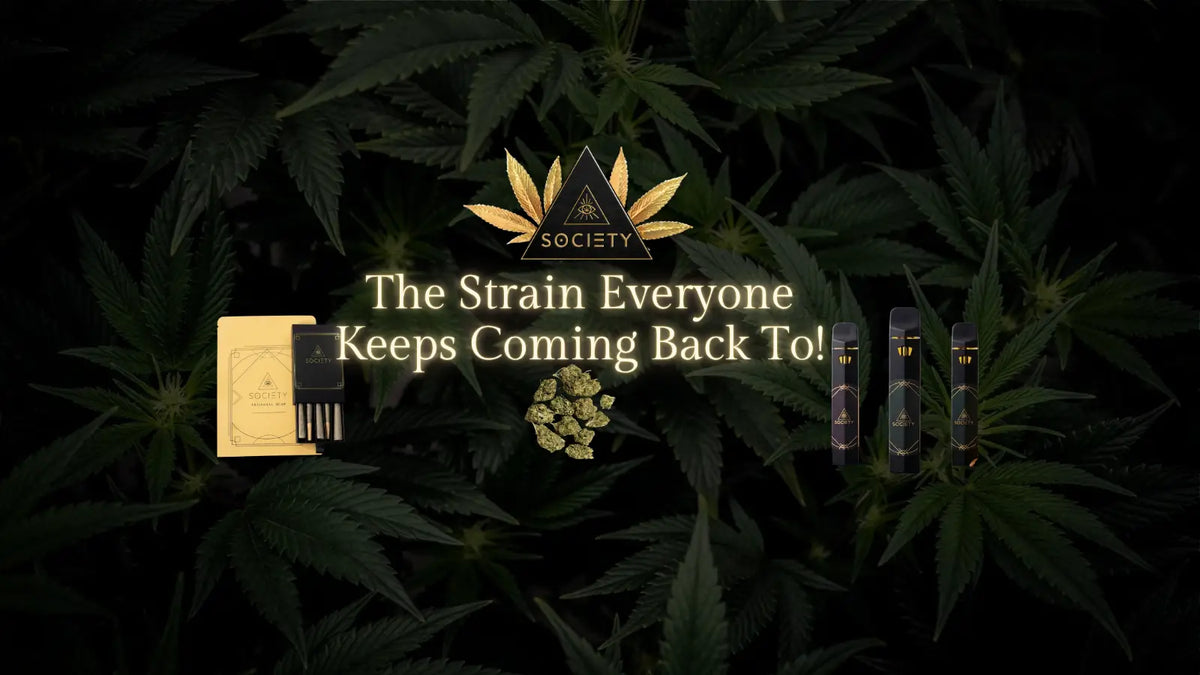
Society's Plant carries Blue Dream as part of its craft THCA flower lineup, sourced with the same cultivation standards co-founder Tad Snyder has applied since 2012. Every batch is third-party lab tested, and certificates of analysis are published at societysplant.com/pages/labs for full transparency.
"I Want a Strain That Lifts My Mood Without Making Me Foggy"
This is the gap Blue Dream fills better than almost any other strain in the THCA flower category. Most sativa strains push energy in a direction that can feel jittery or mentally noisy, particularly for users who are sensitive to THC or who have had uncomfortable experiences with sativa-dominant flower in the past. Blue Dream does not do that.
The Blueberry indica genetics act as a governor on the Haze sativa energy, keeping the lift clear and the mood elevated without the static. The result is focused awareness, a lighter emotional state, and enough body ease to feel comfortable without tipping into sedation. It is the strain that regularly converts people who thought sativa-leaning options were not for them.
Key takeaway: Blue Dream delivers mood elevation and creative energy without the anxious edge that makes many sativa strains difficult for sensitive users.
Is Blue Dream Worth Buying as a THCA Flower?
The direct answer is yes, for the right use case. As a THCA flower, Blue Dream delivers the same experience as traditional cannabis because THCA converts fully to delta-9 THC when combusted or vaped. The "THCA flower" designation refers to how the plant was grown and classified under the 2018 Farm Bill, not a reduced or modified version of the strain. The experience is not a watered-down approximation. It is Blue Dream, period.
For buyers wondering whether craft THCA flower is worth exploring, this strain is a strong entry point. It is versatile across experience levels, forgiving in its effects, and consistently well-reviewed by users who prioritize daytime functionality without sacrificing the full cannabis experience.
Key takeaway: THCA flower labeled Blue Dream delivers the same effects as traditional Blue Dream cannabis because the cannabinoid activation process is identical once heat is applied.
The Science Behind Blue Dream THCA Flower
Understanding what makes Blue Dream work requires a look at both cannabinoid mechanics and terpene science. The effects of any cannabis strain are not driven by a single compound. They are the result of THCA content, terpene composition, and how those molecules interact with the body's endocannabinoid system simultaneously. Blue Dream's specific terpene profile is a significant part of why it feels the way it does.
What THCA Is and How It Becomes Active
THCA (tetrahydrocannabinolic acid) is the raw, non-intoxicating precursor to delta-9 THC found naturally in the cannabis plant before any heat is applied. In its raw form, THCA does not bind strongly to CB1 receptors in the brain, which means consuming it without heat produces no psychoactive effect. The activation happens through decarboxylation, a process in which heat removes a carboxyl group from the molecule, converting THCA into active delta-9 THC.
For a deeper look at how decarboxylation works and why it matters for potency, this complete guide to decarboxylated cannabis covers the chemistry in plain language. When Blue Dream THCA flower is smoked or vaped, that conversion happens instantly, and the full delta-9 THC experience follows. The THCA percentage listed on a certificate of analysis is essentially the strain's potential THC potency once activated.
Key takeaway: THCA becomes psychoactive delta-9 THC the moment heat is applied, so the THCA percentage on the lab report represents the full potency of the experience once smoked or vaped.
How Blue Dream's Terpene Profile Shapes the Experience
Terpenes are the aromatic compounds in cannabis that contribute to both flavor and effect. Blue Dream's dominant terpenes are Myrcene, Caryophyllene, and Pinene, and each plays a distinct role in how the strain feels. Myrcene provides the earthy, slightly sweet base aroma and is associated with a relaxing, grounding quality that softens the sativa energy. Caryophyllene, which also binds to CB2 receptors in the body's endocannabinoid system, contributes anti-inflammatory properties and a spicy, peppery note that adds depth. Pinene, found in pine needles and rosemary, is associated with alertness, airway support, and a sense of mental clarity.
Together, these three terpenes create a layered experience: the sativa genetics push energy and mood upward, Myrcene prevents that energy from becoming frantic, Pinene sharpens mental focus, and Caryophyllene adds body ease without sedation. The combination is why Blue Dream consistently feels more balanced than its sativa classification alone would suggest.
Key takeaway: Blue Dream's terpene trio of Myrcene, Caryophyllene, and Pinene is a significant reason why the strain delivers focused energy rather than anxious overstimulation.
What the Research Says About Myrcene, Caryophyllene, and Pinene
The research on cannabis terpenes is still developing, but the early findings are worth noting. Myrcene has been studied for its sedative and muscle-relaxant properties at higher concentrations, which helps explain its moderating effect on sativa energy. Caryophyllene is unique among terpenes because it acts as a dietary cannabinoid, binding directly to CB2 receptors and contributing to what researchers describe as anti-inflammatory signaling in the peripheral nervous system. A 2008 study on COX-2 enzyme inhibition highlighted the anti-inflammatory pathway that Caryophyllene-rich compounds engage, and the mechanism parallels how this terpene functions within a full-spectrum cannabis experience.
Pinene has been studied for its potential to counteract short-term memory impairment sometimes associated with THC, which may be part of why Blue Dream users commonly report feeling sharp and present rather than foggy. This is not a guaranteed outcome for every user, but the terpene profile research provides a mechanistic basis for the experiential data. The entourage effect, the principle that cannabinoids and terpenes work better together than in isolation, is the framework that makes Blue Dream more than the sum of its chemical parts.
Key takeaway: Caryophyllene is the only terpene known to act directly on the endocannabinoid system, and Pinene research suggests it may offset some of the cognitive fog commonly associated with THC, two reasons Blue Dream's terpene profile is considered particularly functional.
How to Use Blue Dream: Dosing, Timing, and Starting Smart
Blue Dream THCA flower is consumed by smoking or vaping, which means onset is fast, typically within minutes, and effects generally last one to three hours depending on tolerance and how much was consumed. Because onset is rapid compared to edibles, it is easier to dose accurately in real time. Users can take a small amount, assess the effect after ten to fifteen minutes, and decide whether to consume more. This makes flower and pre-rolls a forgiving format for calibrating the right amount.
First-Timers: Start Here Before Lighting Anything
For anyone new to THCA flower, the most important rule is to start with significantly less than feels necessary. One or two inhalations is a reasonable starting point. The effects of smoked or vaped THCA flower arrive quickly, so there is no need to consume a large amount upfront in anticipation of a delayed response. Waiting ten minutes after the first inhalation before deciding to consume more is a practical standard that prevents overconsumption.
Blue Dream is specifically a good entry strain because its balanced genetics reduce the likelihood of the anxiety spike that can occur with high-THC sativa strains. However, individual tolerance, body weight, metabolism, and endocannabinoid system sensitivity all affect the experience. Two people consuming the same amount of the same strain in the same session can have noticeably different responses. Start low, move slowly, and give the experience time to develop before drawing conclusions. For a broader look at how to approach THCA flower versus CBD flower for the first time, this guide on THCA flower vs. CBD flower covers the key distinctions clearly.
Key takeaway: One to two inhalations is the appropriate starting point for THCA flower first-timers, with a ten-minute wait before assessing whether to consume more.
Experienced Users: Reading the Room With Blue Dream
For users with established tolerance, Blue Dream tends to be a reliable daytime option that fits into a regular routine without dramatically interrupting productivity. The strain's effect profile, uplifted mood, gentle focus, physical ease, maps well onto creative work sessions, outdoor activities, or social situations where being mentally present and engaged is the goal. It is not a strain that demands attention or pushes the user into an overly introspective state, which is part of its appeal for regular consumers who want a functional experience rather than an immersive one.
Higher-tolerance users may find they need more flower than a first-timer to achieve the same effect level, which is a normal physiological response to regular cannabis consumption. Tolerance breaks, or simply rotating strains, can help maintain sensitivity to the effects over time.
Key takeaway: Blue Dream is a workhorse strain for experienced users who want reliable daytime function, not a ceiling-pushing experience, but a consistently clean and manageable one.
Daytime vs. Evening: When Blue Dream Fits
Blue Dream is best positioned as a daytime or early evening strain. Its sativa energy makes it well-suited for morning creative work, afternoon sessions, social gatherings, or any context where the user wants to feel present and engaged rather than sedated. The early evening window works particularly well because the effects taper before bedtime for most users, assuming consumption happens before 7 or 8 pm.
Where Blue Dream is not the right call is late at night for anyone trying to wind down toward sleep, or immediately before any situation that requires sustained, sharp cognitive performance with no variation. It is also worth noting that pairing Blue Dream with a complementary product can shift the experience meaningfully. A High Spirits Microdose Gummy in the early evening alongside a Blue Dream pre-roll creates a layered effect that many users find more relaxing than either product alone, though that combination moves firmly into leisure territory rather than functional productivity.
Key takeaway: Blue Dream's sweet spot is daytime through early evening; it is not a sleep strain and should not be positioned as a wind-down tool for late-night use.
Real People, Real Experiences With Blue Dream
The best way to understand how a strain actually performs is to hear from people who have used it across different contexts and come in with different expectations. The following accounts represent the kind of feedback that shows up consistently in the Society's Plant community around Blue Dream THCA flower.
Jordan, 34, a freelance designer from Portland, Oregon, describes using the Blue Dream strain as a consistent part of his late-morning creative routine. "I was skeptical about sativa-leaning flower because I had one bad experience years ago that put me off the whole category," he says. "Blue Dream felt nothing like that. It was more like the lights came on, ideas started connecting, I stopped second-guessing every decision, and three hours later I had done more work than I usually get done all day. I stopped treating it as an occasional thing and started planning around it."
Simone, 41, a physical therapist from San Diego, California, switched to Blue Dream after finding that her previous indica-dominant strain left her too heavy to function effectively mid-shift during her days off when she used it recreationally. "I wanted the body ease without the mental fog," she explains. "Blue Dream gave me exactly that. I use it before longer hikes now, and it makes the whole experience more enjoyable without making me feel like I need to sit down for an hour afterward. The clarity surprised me most, I expected to feel a little checked out and instead I felt more present."
Marcus, 29, a remote analyst from Philadelphia, Pennsylvania, tried the Blue Dream strain for the first time at a group gathering after months of curiosity about THCA flower. "I was nervous because I had never smoked anything before and I did not want to end up being that person in the corner who could not hold a conversation," he recalls. "I took two small hits, waited, and within fifteen minutes I felt like the most engaged version of myself at that party. It was genuinely fun without being overwhelming. I went home and ordered more the next morning."
Key takeaway: Across different experience levels and contexts, Blue Dream consistently delivers on its reputation for clear, social, functional energy, particularly for users who have had difficult experiences with other sativa strains in the past.
The Pros and Cons of Blue Dream THCA Flower
No strain is perfect for every person or every situation. Here is what Blue Dream does well and where it falls short.
Pros Worth Noting
- Versatile timing: Blue Dream works across a wide window, morning creative sessions, afternoon social situations, early evening unwinding, without requiring a specific context to perform well. Its balanced genetics mean it does not dramatically underperform or overperform based on time of day the way some stronger sativa strains do.
- Accessible for newer users: The 60/40 sativa-indica split is genuinely forgiving. The indica genetics prevent the experience from tipping into the anxious, racing-thought territory that makes many beginners swear off sativa flower permanently. Blue Dream is one of the few sativa-leaning strains that consistently works well for people still calibrating their tolerance and preferences.
- Mood elevation without sedation: The Myrcene-Caryophyllene-Pinene terpene profile supports uplifted mood and mental clarity without the heavy body sink associated with indica-dominant strains. For users who want to feel good without feeling slow, this strain delivers that balance reliably.
Cons Worth Knowing
- Not for deep physical relaxation or sleep: If the primary goal is tension release, full-body ease, or sleep support, Blue Dream is the wrong tool. The sativa energy that makes it excellent for daytime use makes it counterproductive as a sleep aid. For that purpose, an indica-dominant option or a dedicated sleep product is the better choice.
- High THCA content means full conversion, treat it accordingly: Because THCA becomes delta-9 THC when heat is applied, Blue Dream THCA flower is cannabis in every meaningful sense of the word. It is not a supplement, it is not a mild wellness product, and it should not be treated as one. Users who are new to cannabis, who have low tolerance, or who are in a context that requires full cognitive sharpness should approach it with appropriate caution and start with significantly less than they think they need.
Key takeaway: Blue Dream's cons are not flaws in the strain, they are clarifications about what it was built for and where a different strain or product will serve better.
What to Look for When Buying Blue Dream THCA Flower Online
The quality of THCA flower varies significantly across vendors. Knowing what to look for before purchasing protects the buyer from underpotent, improperly stored, or mislabeled product and helps ensure the Blue Dream experience lives up to its reputation.
How to Read a Certificate of Analysis for THCA Flower
A certificate of analysis (COA) from a third-party lab is the single most important document to review before purchasing any THCA flower. It should confirm the THCA percentage, verify that delta-9 THC levels comply with the 2018 Farm Bill (0.3% or less on a dry weight basis), and test for pesticides, heavy metals, residual solvents, and microbial contamination. A reputable vendor makes these reports easily accessible, Society's Plant publishes all COAs at societysplant.com/pages/labs.
When reviewing a COA, look at the THCA percentage as a proxy for potency. Premium craft THCA flower typically tests above 20% THCA. Anything below 15% is on the lower end for a strain marketed as high-potency Blue Dream. The lab performing the testing should be accredited and independent, not affiliated with the brand selling the product. If a vendor cannot produce a COA or links to one that is more than six months old, that is a significant red flag.
Key takeaway: A current, third-party COA that confirms THCA percentage, Farm Bill compliance, and absence of contaminants is the non-negotiable quality standard for purchasing THCA flower online.
Farm Source, Freshness, and Why Craft Matters
Where and how hemp is grown directly affects the quality of the flower. Craft-grown THCA flower, produced in smaller batches with attention to soil health, light exposure, harvest timing, and curing, consistently outperforms mass-produced hemp flower in terpene preservation and overall effect. Terpenes are volatile compounds that degrade with improper curing, excessive heat during processing, or extended shelf time after harvest. A Blue Dream flower that has lost its Myrcene and Pinene to poor post-harvest handling will not deliver the same experience as properly cured, fresh product.
When evaluating a vendor, look for information about where the hemp is grown, how it is harvested, and how the flower is stored and shipped. Nitrogen-sealed packaging and cold-dark storage extend shelf life significantly. Vendors who are transparent about their farm practices and sourcing are generally more trustworthy than those offering only generic product descriptions. Society's Plant's THCA flower is grown with the cultivation standards Tad Snyder has developed since 2012 in cannabis cultivation, which means attention to the details that determine whether a strain actually delivers what the label promises.
Key takeaway: Craft-grown, properly cured THCA flower preserves the terpene profile that determines strain-specific effects, buying from a vendor transparent about sourcing is worth the extra scrutiny.
Blue Dream vs. Other Popular THCA Flower Strains
Understanding where Blue Dream fits in the broader THCA flower landscape helps buyers make a better decision about whether it is the right strain for their specific needs or whether a different option would serve them better.
Blue Dream vs. Indica-Dominant Strains: Different Jobs
Indica-dominant THCA flower strains prioritize full-body relaxation, tension release, and sedation over mental energy and mood lift. Where Blue Dream energizes and elevates, a strain like Granddaddy Purple settles the body and quiets the mind, which is why the two strains are used in fundamentally different contexts. Blue Dream is a daytime tool. Indica-dominant strains are an evening and nighttime tool. Choosing between them is less about preference and more about what the user actually needs from the experience at that specific time.
For users who want to explore the indica end of the spectrum, Society's Plant'sD9 THC Disposable Vape in the Granddaddy Purple strain delivers a deep, full-body indica experience with fast onset, useful context for understanding just how different the two effect profiles are when experienced back to back.
Key takeaway: Blue Dream and indica-dominant strains are not competing options, they serve different purposes, and having access to both gives users far more flexibility than defaulting to a single strain for every situation.
When to Pick a Different Strain Instead
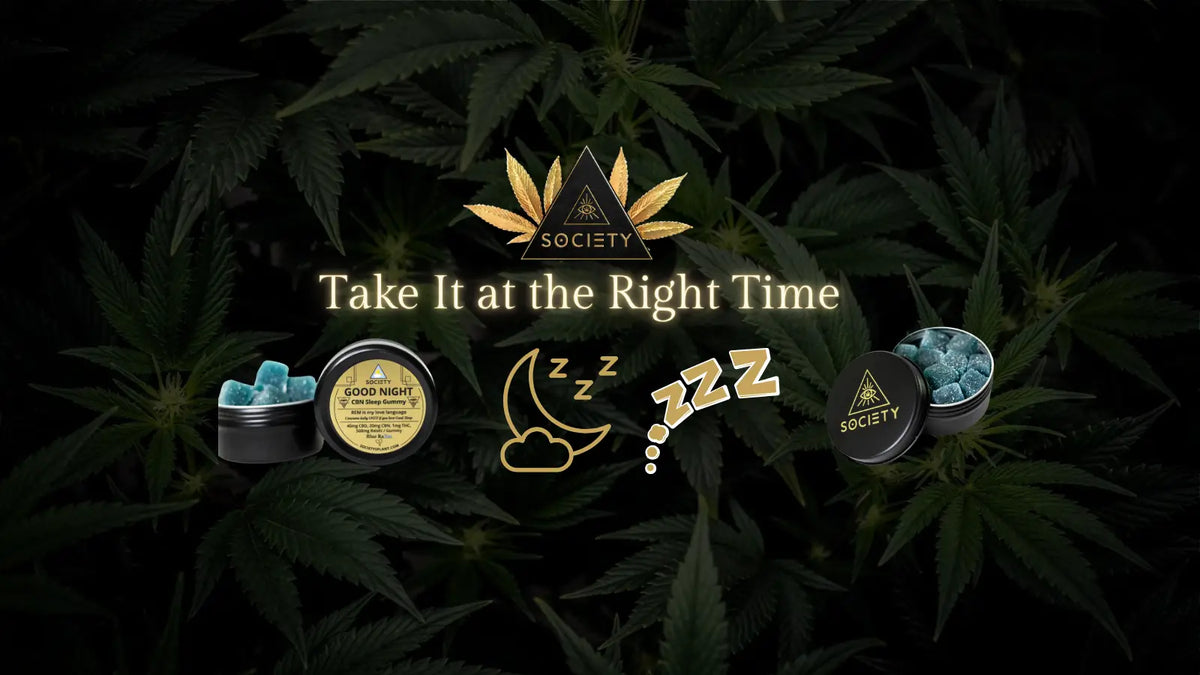
Blue Dream is not the right choice when the goal is deep physical relaxation, sleep support, or an immersive, introspective cannabis experience. For sleep, an indica-dominant strain or a dedicated sleep product like the Good Night CBN Gummies will serve better. For pure energizing focus without body ease, a strain higher in Limonene and lower in Myrcene, like a Sour Tangie sativa, will push more directly into sharp, stimulating territory. Blue Dream's strength is its balance, and that same balance makes it less specialized than strains built specifically for a single outcome.
Users seeking the most creatively elevated, social, euphoric cannabis experience may also want to consider a hybrid vape like the Gelato strain option, which shifts the balance toward euphoria and creative body sensation. Understanding what each strain's terpene and cannabinoid profile is designed to do makes the selection process significantly more straightforward than relying on "sativa vs. indica" alone, which research increasingly suggests is an oversimplification of how these strains actually perform.
Key takeaway: Pick a different strain when the goal is specifically sleep, deep sedation, or a highly specialized effect, Blue Dream's versatility is also its limitation in those contexts.
How to Pair Blue Dream With Other Society's Plant Products
Blue Dream THCA flower works well on its own, but pairing it with other cannabinoid products can create a more dialed-in experience depending on the desired outcome. The endocannabinoid system responds to multiple inputs simultaneously, and combining products thoughtfully can either deepen the Blue Dream effect or modulate it in a useful direction.
Adding a Microdose Gummy for a Layered Effect
One approach that works well for experienced users is adding a low-dose gummy alongside Blue Dream flower for a longer-lasting, layered experience. Because gummies take 45 to 60 minutes to take effect, consuming a Focused Microdose Gummy about 30 minutes before a Blue Dream session means the gummy's 2mg THC with CBG, THCV, Lion's Mane, and L-Theanine kicks in as the flower's faster-onset effects are leveling off. The result is a more sustained window of clear focus and elevated mood rather than a sharp peak followed by a gradual return to baseline.
This combination is particularly well-suited for long creative work sessions or afternoon periods where sustained energy and mood support are the goal. The Focused Microdose Gummy's inclusion of L-Theanine adds an additional calming element to the mental clarity, which pairs well with Blue Dream's Pinene-driven sharpness without blunting the effect. Start with half a gummy if this is a new combination, layering two cannabinoid products simultaneously amplifies the overall effect and should be approached conservatively the first time.
Key takeaway: Pairing Blue Dream flower with a Focused Microdose Gummy 30 minutes before consumption creates a sustained, layered effect that extends beyond what either product delivers alone.
When the Vape Is the Better Delivery Choice
For users who want the Blue Dream effect profile without flower, Society's Plant'sD9 THC Disposable Vape in the Sour Tangie (sativa) or Pineapple Express (sativa-hybrid) strains provides the closest available experience: fast onset, uplifting energy, creative focus, and a terpene profile oriented toward daytime functionality. The vape format is also more discreet and requires no preparation, which makes it a practical option for users who want session flexibility without carrying flower and a lighter.
The tradeoff between flower and vape comes down to experience depth and terpene complexity. Craft THCA flower from a well-cultivated Blue Dream plant carries a fuller, more complex terpene expression than most vape formulations. However, the vape delivers reliable, consistent effects with less variability between sessions, which some users prefer. Both formats serve the same broad purpose, daytime energy, mood lift, creative focus, and which one fits better often comes down to context and lifestyle rather than one being objectively superior.
Key takeaway: The vape option is the practical choice for users who prioritize convenience and consistency; the flower option delivers greater terpene complexity and a fuller sensory experience.
Blue Dream Strain: Frequently Asked Questions
What does the Blue Dream strain feel like?
Blue Dream feels like a clean mood lift paired with mental clarity and enough physical ease to feel comfortable without feeling heavy. The onset through smoking or vaping is typically within five to fifteen minutes, and the experience settles into elevated mood, gentle creative energy, and a sense of being present and engaged rather than altered or sedated. Most users describe it as sociable and functional rather than introspective or couch-locking. The Blueberry indica genetics round the edges of the Haze sativa energy, so the overall feeling is balanced rather than stimulating in an uncomfortable way. Expect the experience to last one to three hours depending on how much was consumed and individual tolerance. For a deeper look at how THCA strains compare to each other, this guide to the best THCA flower options online breaks down the landscape usefully.
Is Blue Dream THCA flower legal to buy online?
Blue Dream THCA flower is legal to purchase online when it is sourced from hemp plants with delta-9 THC content at or below 0.3% on a dry weight basis, as defined by the 2018 Farm Bill. Society's Plant's THCA flower is Farm Bill compliant and third-party lab tested to confirm that compliance. It is worth noting that state laws vary, and some states have enacted regulations that restrict hemp-derived THCA flower specifically. Buyers should confirm their state's current hemp flower regulations before purchasing. The fact that a product is federally compliant does not automatically mean it is unrestricted in every state.
How much THCA should Blue Dream flower contain to be considered quality?
Quality Blue Dream THCA flower typically tests between 20% and 30% THCA, with craft-grown batches sometimes exceeding that range. Anything below 15% THCA on a third-party COA is on the lower end for a strain positioned as premium THCA flower. The COA should also confirm terpene content where possible, since terpene percentage is a meaningful indicator of how well the flower was grown and cured. High THCA content with low terpene expression suggests the flower may have been improperly stored or processed in a way that degraded the volatile aromatic compounds responsible for strain-specific effects. A number on a label means less than a full COA from an accredited, independent laboratory.
Is Blue Dream good for anxiety or will it make it worse?
Blue Dream is one of the more anxiety-friendly sativa strains because the indica genetics reduce the likelihood of the racing-thought, elevated-heart-rate response that high-THC sativa flower can trigger in anxiety-sensitive users. However, cannabis and anxiety have a complex relationship that is highly individual. The same strain at the same dose can calm one person and unsettle another depending on their endocannabinoid system, current stress level, environment, and prior cannabis experience. For users specifically managing anxiety, starting with a very small amount of Blue Dream flower is essential. Some anxiety-prone users do better with a lower-THC product as a starting point, such as a well-formulated microdose gummy for anxiety support before introducing THCA flower into their routine.
Will Blue Dream THCA flower show up on a drug test?
This is a critical question and the answer is yes, it can. Because THCA converts to active delta-9 THC when consumed, the body metabolizes it the same way it metabolizes conventional cannabis. Standard drug tests screen for THC metabolites, not THCA itself, and they do not distinguish between hemp-derived THC and cannabis-derived THC. Naturally occurring THC from hemp may show up on a drug test with regular use. Anyone subject to workplace drug screening, athletic testing, or legal monitoring should treat THCA flower with the same caution they would apply to any cannabis product and consult with a professional before using it. "Farm Bill compliant" does not mean "drug-test safe."
What if someone wants the Blue Dream experience but does not want to smoke?
The closest non-smoking option is the D9 THC Disposable Vape in a sativa or sativa-hybrid strain, which delivers similar uplifting, focused energy through a vape format with fast onset and no combustion. For users who prefer an edible format, the Focused Microdose Gummy provides a controlled, low-dose THC experience with added CBG, THCV, and Lion's Mane that supports mental clarity and mood without the variability of flower. The tradeoff is that edibles take 45 to 60 minutes to take effect and last significantly longer, four to eight hours, which requires more planning and patience but also delivers a more sustained experience. Edibles are also harder to titrate in real time, so starting with half a gummy is strongly recommended for anyone new to THC edibles.
Blue Dream did not earn its reputation by accident. It stayed at the top because it is one of the few strains that works across moods, occasions, and experience levels without asking much in return. That is not hype. That is just a well-built strain doing its job.
Related Guides Worth Reading
- How to find the best THCA flower and what separates craft from commodity
- THC vs. THCA: what the difference means for how you dose and what you feel
- Where to buy THCA flower online and what to look for before purchasing
- The complete guide to alternative THC options and how hemp-derived flower fits in
These statements have not been evaluated by the Food and Drug Administration. This product is not intended to diagnose, treat, cure, or prevent any disease. Consult a healthcare professional before starting any new supplement.

Leave a comment
This site is protected by hCaptcha and the hCaptcha Privacy Policy and Terms of Service apply.