
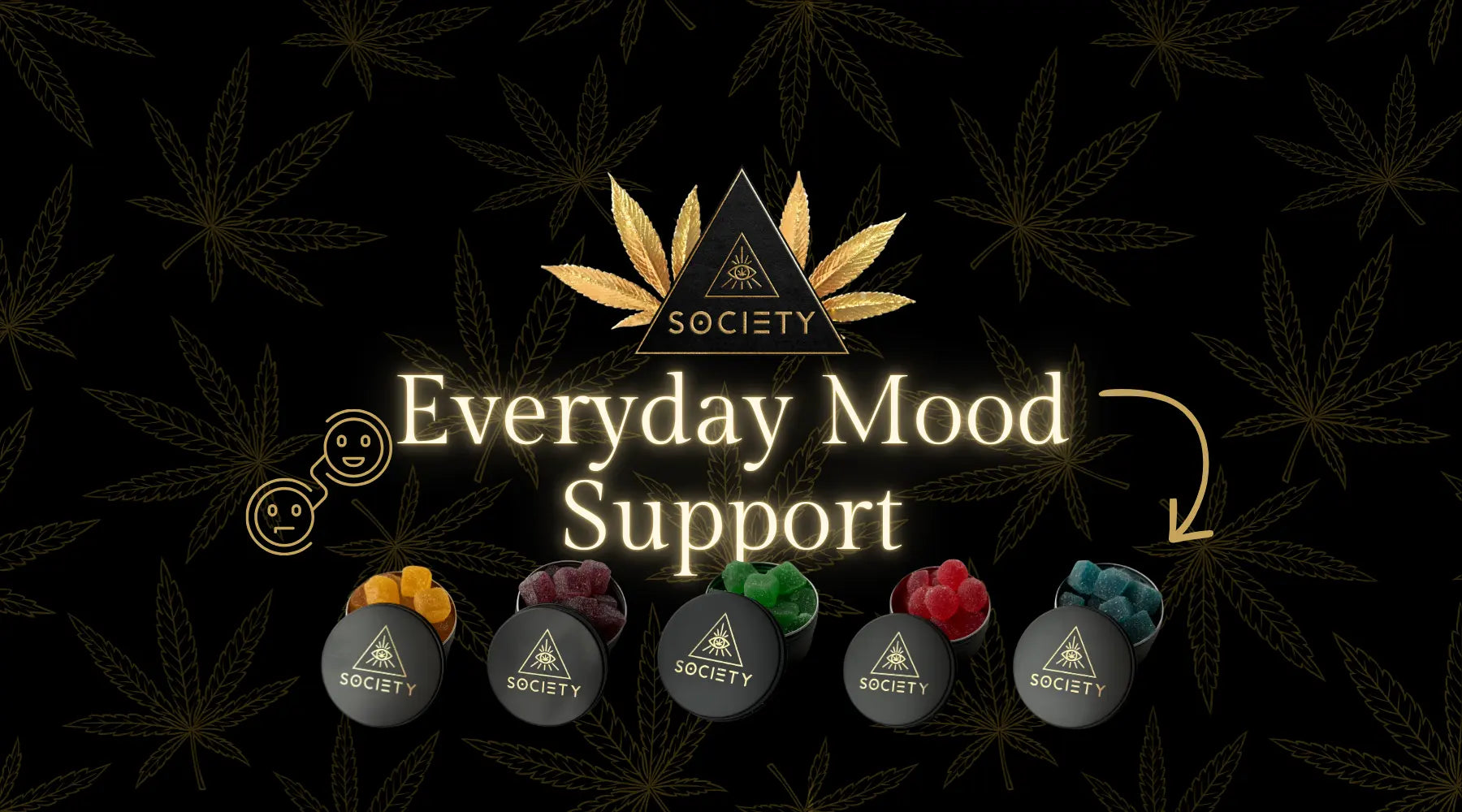
Gummies for Mood: Real Moments That Call for Natural Support
There's a particular kind of exhaustion that comes from maintaining composure when everything inside feels like static. It's the executive who nails her presentation while her divorce papers sit unsigned in her car. The entrepreneur refreshing his business bank account at 2 AM, pulse racing. The mom who just found out her teenager is struggling, and she needs to show up steady, even though her own nervous system is screaming.
These aren't the Instagram-worthy stress moments. They're the real ones. The ones where "self-care" feels like another item on an impossible to-do list, and what's actually needed is a functional tool that works without requiring a lifestyle overhaul. That's where mood gummies have quietly become part of how high performers navigate emotional regulation without compromising their edge.
Gummies for Mood: Your Complete Guide to Natural Wellness Support
Gummies for mood represent a shift in how people approach emotional wellness—moving away from the binary of "fine" or "falling apart" toward sustainable nervous system support. Unlike traditional supplements that require weeks to build up in your system, or pharmaceuticals that can feel like sledgehammers when you need a scalpel, these formulations work with your endocannabinoid system to support emotional balance in real time.
The beauty of modern mood edibles lies in their specificity. A mom dealing with sensory overload from a day of back-to-back Zoom calls and sibling disputes doesn't need the same support as someone navigating social anxiety before a networking event. The formulations have evolved to match the nuance of actual human experience, which is why understanding ingredients, dosing, and timing matters more than ever.
What Makes Mood Gummies Different from Other Supplements
Traditional mood supplements—think St. John's Wort, 5-HTP, or even prescription SSRIs—typically work on serotonin pathways and require consistent daily use to be effective. Canna gummies function differently. They interact with the endocannabinoid system, which regulates mood, stress response, and emotional processing in real time. This means they can offer support in the moment, not just after weeks of accumulation.
The Science Behind Cannabinoids and Emotional Regulation
The endocannabinoid system exists specifically to maintain homeostasis—balance—across your body's major systems. When you're stressed, anxious, or emotionally depleted, cannabinoids like THC, CBD, CBG, and THCV can help recalibrate your nervous system response. Think of it less like numbing and more like turning down the volume on an overstimulated stress response so your actual emotional intelligence can function.
When Do High Performers Actually Reach for Mood Gummies?
The moments that call for mood support aren't always dramatic. Sometimes they're mundane but relentless. Here's where gummies for mood show up in real wellness routines, minus the clichés.
The Sunday Night Spiral Before a High-Stakes Week
It's 9 PM. Tomorrow starts a week of board presentations, difficult conversations, and decisions that affect people's livelihoods. The mental rehearsal has already started—running through scenarios, anticipating objections, calculating risks. Sleep feels impossible because the brain won't stop strategizing. This is where Good Day Gummy users report taking a half dose in the evening—not for sedation, but to quiet the executive function loop enough to let the nervous system downregulate.
Post-Conflict Regulation When You Still Have Hours of Work Ahead
You just got off a call that went sideways. Maybe it was a client conversation that turned heated, a team member who quit unexpectedly, or a partnership that fell through. Your heart rate is elevated, your jaw is clenched, and you have four more hours of work that requires your best thinking. Powering through on cortisol isn't sustainable, but checking out isn't an option. This is the exact scenario where microdose formulations shine—offering just enough nervous system support to return to baseline without sedation.
The Transition Between Professional Mode and Human Mode
There's a particular kind of cognitive whiplash that comes from leading a team all day and then walking into your home where people need you to be warm, present, and emotionally available. The shift from strategic to nurturing, from decisive to collaborative, from boundaried to connected—it's a nervous system transition that doesn't happen automatically just because you changed your shoes. Many high performers describe using High Spirits Microdose Gummies during this transition window, taking them about 30 minutes before walking through the door to support that mental and emotional gear shift.
What Ingredients Should You Look for in Mood Support Gummies?
Not all mood gummies are created equal, and the ingredient list tells you exactly what kind of support you're getting. Here's what actually matters when evaluating formulations.
THC: The Misunderstood Mood Molecule
THC has been unfairly reduced to "the one that gets you high," but at lower doses, it's one of the most effective compounds for emotional regulation. The key is dosing. At 1-5mg, THC can support nervous system downregulation without intoxication. At 10mg+, you're moving into recreational territory. For mood support, most high performers find their sweet spot between 2-5mg. The Focused Microdose Gummies at 2mg THC hit this range perfectly for daytime emotional support without impairment.
THCV: Energy Without Anxiety
THCV is the cannabinoid that defies expectations. While most cannabinoids have a calming effect, THCV offers clarity and energy—but without the jittery anxiety that often comes with stimulants. It's become particularly popular among people who experience mood crashes related to blood sugar fluctuations or afternoon energy dips. When combined with small amounts of THC, like in High Spirits Microdose Gummies (5mg THC + 5mg THCV), you get balanced support that's neither sedating nor overstimulating.
CBG: The Nervous System Reset Button
CBG is quietly becoming the favorite cannabinoid of people who deal with chronic stress and inflammation. It works on both CB1 and CB2 receptors, supporting both mood regulation and physical stress response. Users describe it as turning down the volume on their stress response without dulling their cognitive edge. Good Day Gummy includes CBG alongside its 1.5mg THC for exactly this reason—gentle nervous system support that doesn't interfere with productivity.
Adaptogenic Mushrooms: The Long-Game Support
Lion's Mane appears in several mood formulations for good reason—it supports neuroplasticity and cognitive function while also offering neuroprotective benefits. Unlike cannabinoids that work in the moment, adaptogens like Lion's Mane build resilience over time. This is why formulations like microdose options designed for beginners often include both immediate-acting cannabinoids and long-term adaptogenic support.
How Do Mood Gummies Compare to Other Mood Support Tools?
High performers tend to be pragmatic about their wellness tools. Here's how gummies stack up against other common approaches to emotional regulation.
Gummies vs. Prescription Medications
SSRIs and anti-anxiety medications have their place, particularly for clinical depression and anxiety disorders. But they can come with trade-offs: sexual side effects, emotional blunting, difficulty discontinuing, and weeks of waiting before they take effect. Gummies for mood work immediately and can be used as-needed rather than requiring daily dosing. They're not a replacement for psychiatric care when that's needed, but for situational stress and emotional regulation in otherwise mentally healthy people, they offer a middle path.
Gummies vs. Alcohol for Stress Relief
This comparison makes people uncomfortable, but it's honest. Many high performers have historically used alcohol to downregulate after stressful days. The problem is that alcohol disrupts sleep architecture, contributes to inflammation, and creates a depressive rebound effect. Mood gummies offer nervous system support without the physiological cost. Users report better sleep quality, no hangover, and no morning regret about what they said or did while unwinding.
Gummies vs. Meditation and Breathwork
Meditation and breathwork are powerful tools—when you have the capacity for them. But when your nervous system is in fight-or-flight mode, asking it to meditate can feel like asking someone drowning to practice their swimming form. Sometimes you need to get to shore first. Gummies can help create the physiological baseline that makes meditation actually accessible. Many users report that taking a low-dose gummy 30 minutes before breathwork practice makes the practice dramatically more effective.
Are There Vegan Gummies for Mood Enhancement?
The wellness world has evolved past the assumption that plant-based eating and cannabis wellness are separate concerns. Many high performers maintain vegan lifestyles for health, ethical, or environmental reasons, and they want mood support that aligns with those values.
What Makes a Mood Gummy Vegan-Friendly
Traditional gummies use gelatin, which is derived from animal collagen. Vegan formulations use pectin or agar-agar instead. Beyond the gummy base, you're also looking at the source of cannabinoids (plant-derived is standard), any additional ingredients like vitamin D (can be sourced from lanolin or lichen), and processing aids. Quality manufacturers will clearly label vegan status and third-party certifications.
Effectiveness Doesn't Require Animal Products
There's no difference in cannabinoid effectiveness between gelatin-based and vegan gummies. The active compounds work identically regardless of the delivery mechanism. What matters is proper formulation, consistent dosing, and quality extraction processes. Many of the most sophisticated mood formulations on the market are already vegan, not because it's trendy, but because plant-based ingredients align with the broader philosophy of natural wellness support.
Which Companies Offer Mood Gummies with Third-Party Testing?
In an unregulated industry, third-party testing is the only way to verify that what's on the label matches what's in the bottle. Here's what to look for and why it matters beyond marketing.
What Third-Party Testing Actually Tells You
Legitimate third-party testing verifies cannabinoid content, screens for pesticides and heavy metals, tests for microbial contamination, and confirms the absence of residual solvents from extraction. It's conducted by independent labs with no financial stake in the results. Certificates of Analysis (COAs) should be readily available, ideally with QR codes on product packaging that link directly to batch-specific results.
Red Flags That Suggest Questionable Quality
Companies that claim third-party testing but don't make COAs easily accessible. Vague language like "laboratory tested" without specifying what was tested or by whom. Wildly inconsistent pricing that seems too good to be true. Absence of specific cannabinoid amounts on labels. Marketing that makes medical claims about curing or treating conditions. These aren't just red flags for quality—they're signs of companies that don't prioritize consumer safety.
Why Testing Matters for Mood Support Specifically
When you're using gummies for emotional regulation, consistency matters profoundly. A batch that contains 8mg THC when the label says 5mg could push you from functional support into impairment. A batch contaminated with pesticides creates inflammation that works against the mood support you're seeking. Testing isn't just about safety—it's about reliable, predictable results that you can build into a sustainable wellness routine. This is why resources like complete guides to natural wellness emphasize third-party verification as non-negotiable.
What About Affordable Options for Mood Support?
Wellness shouldn't be a luxury good, but the reality is that quality cannabinoid products require investment in sourcing, testing, and formulation. Here's how to think about cost without compromising effectiveness.
When Premium Pricing Reflects Actual Value
Higher prices sometimes reflect better sourcing (organic hemp, sustainable farming), superior extraction methods (CO2 vs. chemical solvents), comprehensive testing, and innovative formulations that combine multiple beneficial compounds. A gummy that includes therapeutic doses of Lion's Mane, CBG, and precisely measured THC costs more to produce than a simple THC-only gummy. The question isn't whether it's expensive—it's whether the additional ingredients provide value for your specific needs.
Reviews of Popular Mood-Boosting Gummy Brands: What Actually Matters
Online reviews can be helpful, but they're also easily manipulated and often written by people with dramatically different tolerances, expectations, and wellness goals than yours. Here's how to extract useful information from the noise.
Reading Between the Lines of User Reviews
Pay attention to reviews that describe specific contexts and outcomes rather than vague praise. "These helped me transition from work mode to present parenting" tells you more than "These are amazing!" Look for patterns in criticism—if multiple reviews mention inconsistent effects, that suggests quality control issues. Notice whether negative reviews are actually about wrong expectations (someone taking a 2mg microdose and complaining it's not strong enough wanted a different product, not a bad one).
The Limitations of Star Ratings for Wellness Products
A product could have terrible reviews because people misunderstood dosing instructions, chose the wrong formulation for their needs, or had unrealistic expectations. Conversely, a product could have glowing reviews from people who've never tried better alternatives. Star ratings are useful for identifying catastrophic quality issues, but they're poor indicators of whether a specific product will work for your specific needs. This is where educational resources like guides about how busy moms choose natural cannabis options provide more nuanced guidance than aggregate ratings.
What Professional Reviews Should Cover
Credible professional reviews of mood gummies should address: specific cannabinoid content and ratios, third-party testing transparency, onset time and duration of effects, ingredient quality and sourcing, cost per dose analysis, comparison to similar formulations, and honest discussion of who the product is and isn't appropriate for. Reviews that read like marketing copy or that don't acknowledge any limitations aren't reviews—they're advertisements.
Building Gummies for Mood Into a Sustainable Wellness Routine
The most sophisticated approach to mood support isn't about finding a magic gummy—it's about understanding how different formulations serve different needs and building a flexible toolkit.
Matching Formulations to Specific Situations
High performers often keep multiple formulations on hand for different contexts. A low-dose option like Good Day Gummy (1.5mg THC) for subtle daytime support during back-to-back meetings. A slightly higher dose like High Spirits Microdose Gummies (5mg THC) for deliberate unwinding after particularly demanding days. Perhaps Good Night Gummy (40mg CBD + 20mg CBN) for sleep support when the stress of the day is interfering with rest. This isn't about taking gummies constantly—it's about having the right tool available when you need it.
Check out why CBN for sleeping has become a top natural sleep aid!
Tracking What Actually Works for You
Your endocannabinoid system is unique. What works for someone else might not work for you, and what works for you now might need adjustment as your tolerance builds or your stress levels change. Keep simple notes: dose taken, time of day, specific situation, effects noticed, duration. After two weeks, patterns emerge. You might discover that 2mg in the morning prevents afternoon anxiety spirals, or that 5mg works perfectly for social situations but feels like too much for quiet evenings at home.
Integration with Other Wellness Practices
Gummies for mood work best as part of a broader approach to nervous system support, not as a replacement for other foundational practices. They're more effective when you're also addressing sleep quality, movement, nutrition, and meaningful connection. Think of them as the thing that makes those other practices actually accessible when your nervous system is too activated to engage with them naturally. They're not a shortcut—they're a tool that helps you show up for the actual work of wellness.
Your Next Step: Finding the Right Mood Support for Your Life
The question isn't whether gummies for mood work—it's which formulation matches your specific needs and current tolerance level. If you're new to cannabinoid support, starting with a THC D9 microdose option in the 1.5-2mg range makes sense. If you're already familiar with how THC affects you and you're looking for something that offers a bit more support, the 5mg range provides noticeable effects without overwhelming your system.
The goal is not to feel nothing. It's to feel like yourself again—calm enough to think clearly, regulated enough to respond rather than react, balanced enough to be present for what actually matters. That's what sustainable mood support looks like when it's working.



Leave a comment
This site is protected by hCaptcha and the hCaptcha Privacy Policy and Terms of Service apply.